Aug 2, 2026Engineering & Technical Guides
How Venting and Material Flow Affect SMC Part Quality
How charge placement, fiber flow, air evacuation, overflow, geometry and temperature influence SMC filling, flash, surface and dimensional stability.
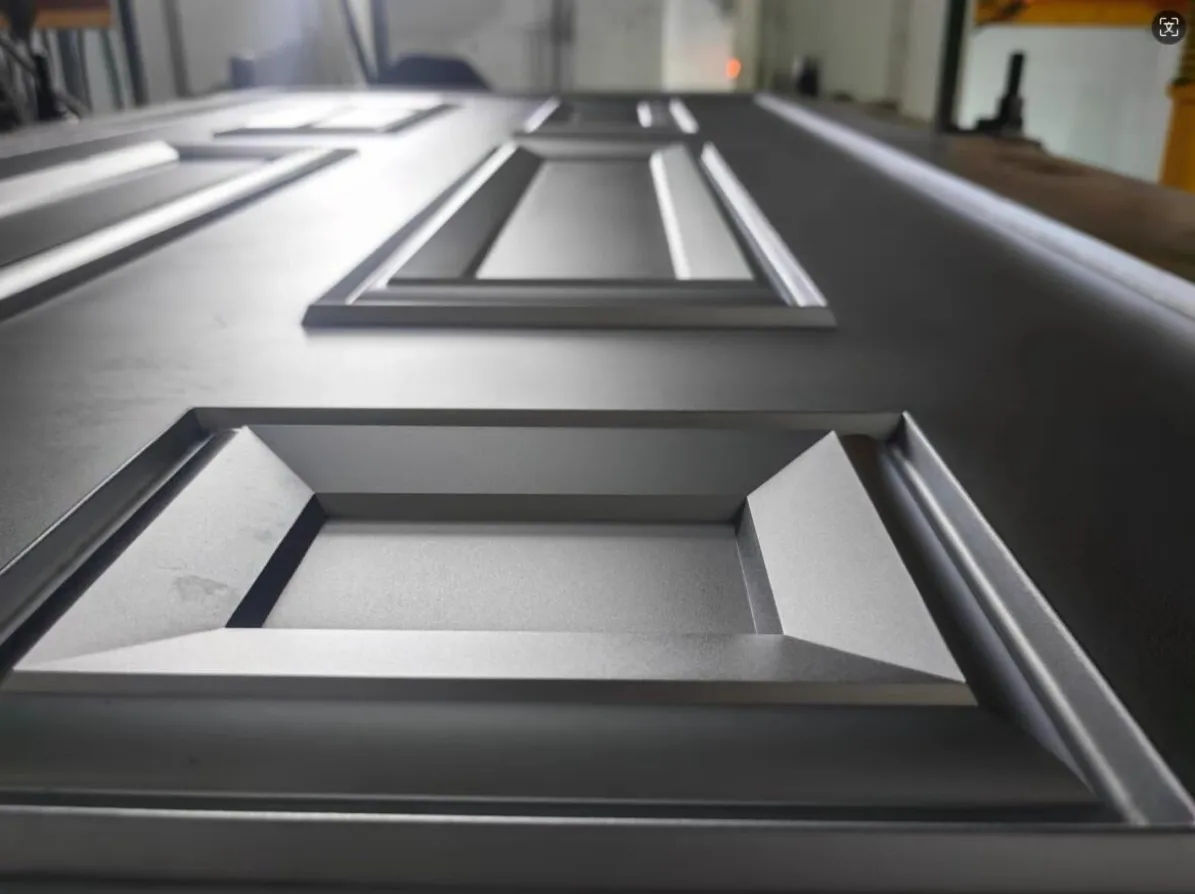
How Venting and Material Flow Affect SMC Part Quality
In SMC compression molding, the charge must flow through the cavity while air escapes and the material begins to cure. The final result depends on how the material, product geometry, mold, temperature, pressure, and timing work together.
Material Placement Changes the Flow Path
Charge size, shape, stacking, orientation, and location determine how far the SMC must move and which features fill first. Excess material can increase flash, pressure, waste, and trimming without solving the real flow problem.
Product Geometry Can Restrict Flow
Sharp transitions, thin sections, deep ribs, isolated pockets, and abrupt thickness changes can make filling difficult. These areas should be checked for restricted flow, fiber accumulation, air traps, resin-rich zones, pressure demand, and difficult release.
Venting Must Follow the Filling Sequence
Air needs a controlled path out of the cavity. Vent locations should relate to expected end-of-fill areas, parting line, overflow design, and charge placement. Trapped air may contribute to incomplete filling, surface defects, porosity, or local weakness.
Temperature Uniformity Affects Flow and Cure
SMC viscosity and cure behavior change with temperature. Uneven mold temperature can cause one area to cure before another has filled. It can also affect cycle consistency, surface appearance, shrinkage, and deformation.
Flash Is Not Only a Trimming Issue
Flash can be influenced by charge weight, placement, mold fitting, press behavior, parting-line design, temperature, and process settings. Treating all flash as a trimming problem can hide the actual cause.
A Better Review Process
Before mold manufacturing, review product geometry, material data, charge placement, vent and overflow locations, heating layout, press capability, and acceptance criteria together.
If you are developing a new SMC part or replacing a problem mold, send GEOMOLD the part data, material grade, press details, process settings, and defect photos for review.